Britkne Gallagher | Jul 15 2026 13:00
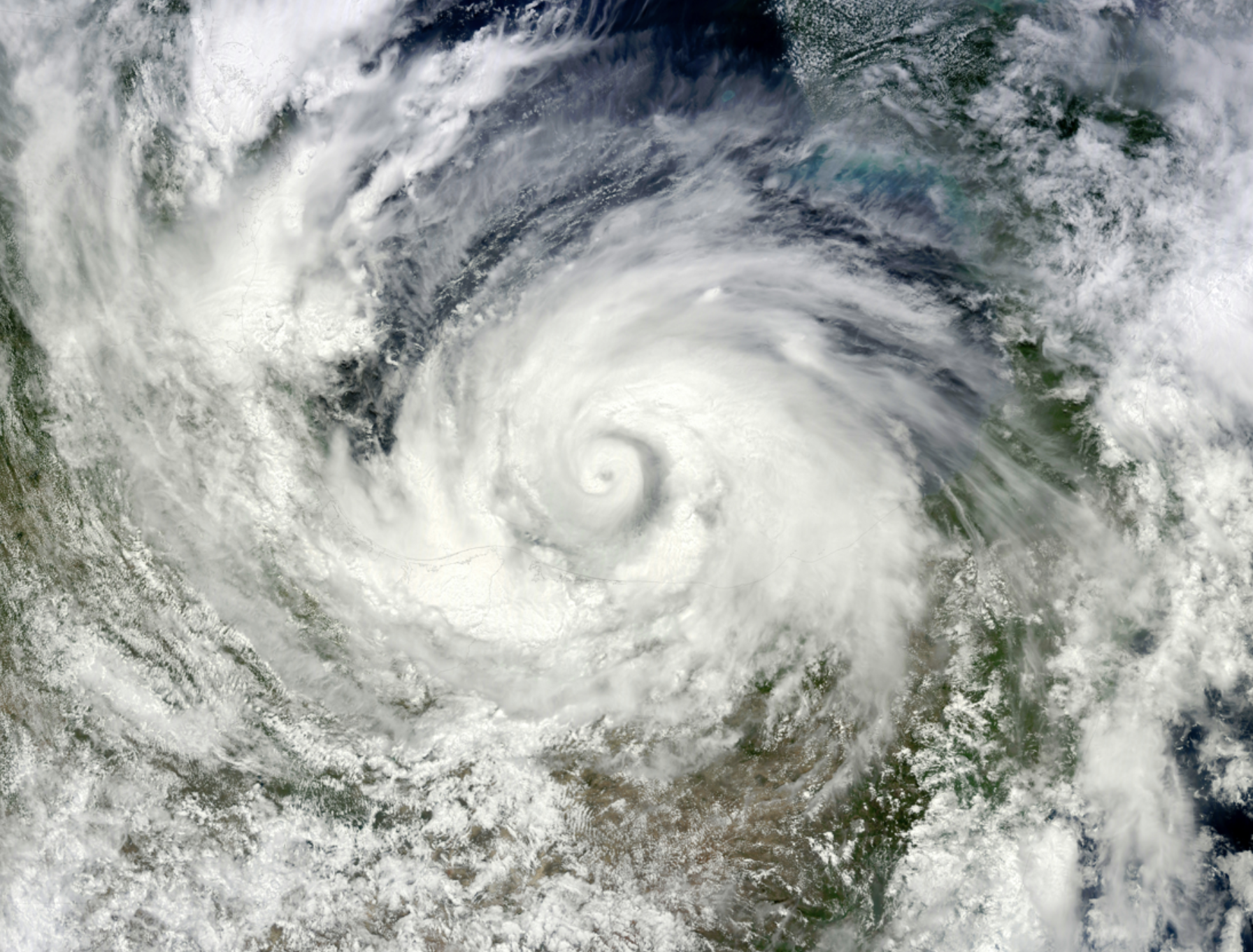
Before a hurricane reaches Southeast Texas, homeowners and business owners should secure outdoor equipment, prepare for safe power shutoff, protect drainage and refrigeration systems, and make a clear restart plan. Taking these steps before landfall can reduce storm damage, protect food inventory, and help minimize HVAC and refrigeration downtime after conditions are safe.
Hurricane season officially runs from June through November, and coastal weather can bring high winds, heavy rain, extended outages, and intense humidity to Nederland, TX, and the surrounding area. ([nhc.noaa.gov](https://www.nhc.noaa.gov/climo/?utm_source=openai)) That humidity puts extra strain on cooling equipment throughout the year, while storm-driven water and electrical issues can turn a minor problem into a major repair. Use this practical checklist from Rutty HVAC & Refrigeration before storm season peaks.
1. Pre-Storm Checklist for Homeowners
Start preparing your home’s HVAC system as soon as a storm becomes a realistic threat—not when winds are already picking up. Your outdoor condenser is built for weather, but it is not designed to withstand loose debris, standing water, or electrical damage.
- Clear and secure the outdoor AC unit. Remove lawn furniture, planters, branches, toys, grills, and other loose items from around the condenser. Trim back vegetation and make sure the unit’s pad is stable. Do not cover the unit with a tarp or plastic wrap; trapped moisture can contribute to corrosion and mildew.
- Install a clean air filter. A fresh filter supports proper airflow and helps your system operate efficiently while it is still running. In Southeast Texas, where humidity is consistently high, restricted airflow can make moisture control more difficult.
- Set the thermostat appropriately. Before an outage or evacuation, avoid setting the thermostat extremely low. A moderate setting helps reduce unnecessary strain. If you leave the home and power remains on, keep doors and windows closed to help control indoor humidity.
- Prepare the condensate drain. Make sure the drain line is clear and the drain pan is not already holding water. A backed-up drain can cause indoor water damage during humid conditions, even before the storm arrives.
- Know when to shut the system down. If officials issue an evacuation order, flooding is likely, or the outdoor unit may be exposed to rising water, turn off the system at the thermostat and then at the breaker. Do this before dangerous weather arrives—never during flooding or while standing in water.
If your equipment is older, corroded, making unusual noises, or already struggling to keep up, schedule service before the next major storm system. Rutty HVAC & Refrigeration helps homeowners in Nederland, TX, make sure their systems are prepared for the demands of Southeast Texas hurricane season.
2. Pre-Storm Checklist for Businesses
For restaurants, convenience stores, markets, medical offices, and other commercial facilities, hurricane preparation must include both comfort cooling and product protection. A walk-in cooler or freezer can become a costly loss quickly if power, temperature monitoring, and inventory procedures are not addressed ahead of time.
- Verify commercial refrigeration temperatures. Document current temperatures for every cooler, freezer, prep table, and refrigerated display. Confirm that thermometers and temperature alarms are working, and identify which units hold the most valuable or temperature-sensitive inventory.
- Make a power-outage plan. Review generator capacity, fuel availability, extension-cord limitations, and which refrigeration equipment receives priority power. Do not overload a generator or connect equipment improperly. Electrical connections should be handled safely and according to the generator manufacturer’s instructions.
- Protect walk-in cooler and freezer inventory. Consolidate product where practical, move high-value or highly perishable items to the coldest dependable unit, and limit unnecessary door openings. Keep doors closed once power is lost to preserve cold air as long as possible.
- Shut off and drain ice machines as directed. Before a prolonged outage or evacuation, turn off the ice machine, shut off its water supply, and discard ice if contamination is possible. Leaving an ice machine operating without proper water flow, drainage, or supervision can create sanitation and equipment risks.
- Inspect drainage and roof-adjacent equipment. Clear debris from around outdoor condensers, refrigeration condensing units, drains, and access paths. Water intrusion, blocked drains, and windblown debris can affect equipment performance after the storm.
Businesses that rely on cold storage should have a refrigeration service contact ready before landfall. For support with walk-ins, reach-ins, ice machines, and other critical equipment, visit Rutty HVAC & Refrigeration’s Commercial Refrigeration
service page.
3. What Not to Do During and After a Storm
When a hurricane passes, it is understandable to want cooling and refrigeration restored immediately. However, rushing the restart process can create safety hazards, cause further equipment damage, and void manufacturer requirements.
- Do not restart equipment before electrical conditions are checked. If there was a power outage, surge, damaged service panel, downed line, or water intrusion, wait until power is stable and electrical components are safe. A system can be damaged if it is restarted during unstable voltage conditions.
- Do not run flooded HVAC or refrigeration equipment. Never turn on a condenser, air handler, furnace, walk-in refrigeration system, ice machine, or electrical disconnect that has been submerged or exposed to standing water. Floodwater can damage controls, motors, insulation, and wiring.
- Do not remove panels or attempt DIY refrigerant work. Refrigerant handling requires trained, properly equipped technicians. Trying to add refrigerant, repair a line, or bypass controls can create safety issues and may cause additional system damage.
- Do not ignore unusual odors, sounds, or tripped breakers. A burning smell, buzzing, repeated breaker trips, water around equipment, or a unit that will not start normally are all reasons to stop and call a professional.
Coastal humidity in Southeast Texas can make post-storm moisture problems worse, especially when homes and businesses remain closed after an outage. Once conditions are safe, use ventilation carefully, remove standing water, and have questionable equipment inspected before placing it back into service.
4. Post-Storm Restart: When to Call a Pro
Call Rutty HVAC & Refrigeration before restarting your system if the unit was flooded, hit by debris, exposed to salt-laden moisture, or affected by an electrical surge. You should also request an inspection if the outdoor unit shifted on its pad, refrigerant lines look bent or damaged, the disconnect appears wet, the system trips a breaker, or cooling and refrigeration temperatures do not recover normally.
For businesses in Jefferson County, a professional post-storm inspection can help identify damaged electrical components, drainage issues, airflow restrictions, compressor concerns, and refrigeration temperature risks before they lead to a larger interruption. Rutty HVAC & Refrigeration provides 24/7 Emergency HVAC Service
for urgent needs; after a weather event, response timing can depend on road conditions, safety conditions, and service demand, so calling early is the best way to get on the schedule.
Do not wait until a named storm is in the Gulf to prepare. Call Rutty HVAC & Refrigeration at 409-729-HVAC before storm season peaks for HVAC and commercial refrigeration preparation in Nederland, TX, and across Southeast Texas.